F1 Pre-season testing 2026: What to watch & how to track it
Image of Wesley Van Rooij
Author

Wesley Van Rooij

Wesley van Rooij is a marketing and football expert with over 5 years of industry experience. His comprehensive knowledge of the Sportmonks Football API and a focused approach to APIs in the Sports Data industry allow him to offer insights and support to enthusiasts and businesses. His outstanding marketing and communication skills and technical writing expertise enable him to empathise with developers. He understands their needs and challenges to facilitate the development of cutting-edge football applications that stand out in the market.

Recent articles by Wesley

All articles
F1 Pre-season testing 2026: What to watch & how to track it

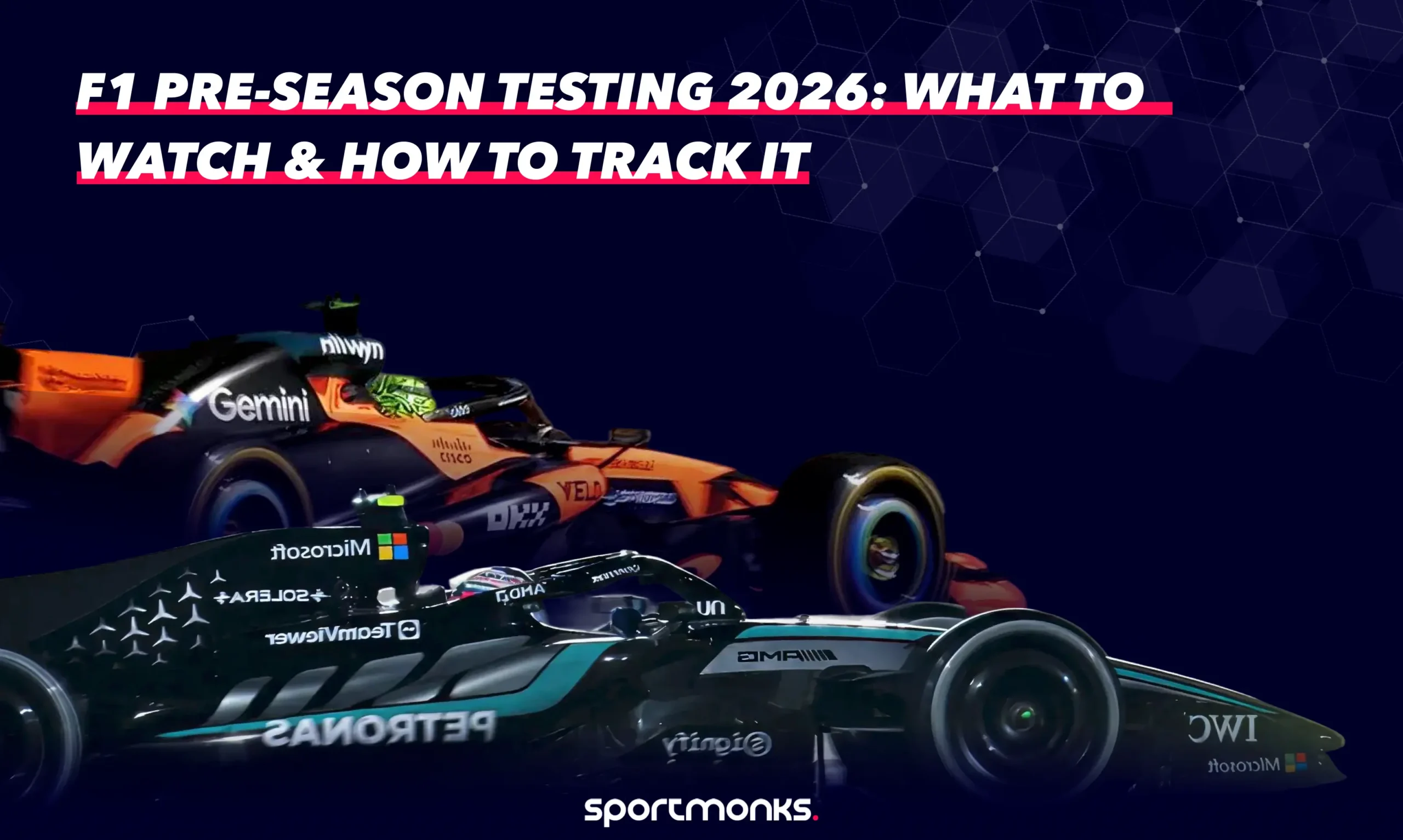
Pre-season testing is one of the most data-rich moments in the Formula 1 calendar. It’s where teams run their new machinery for the first time in competitive conditions, lap counts accumulate, and the first real signals emerge about who has built a strong car and who hasn’t. The 2026 season makes pre-season testing even more significant than usual. With wholesale changes to power units, aerodynamics, overtaking systems, and car dimensions all coming into effect simultaneously, no team has any historical baseline to fall back on. Everyone is starting from zero, and those 11 days of testing before Australia are the only data they get. This guide covers the full 2026 pre-season testing schedule, what to pay attention to across each session, and how to use the Sportmonks Motorsport API v3 to pull, track, and build with the data as it comes in.

Time to read 13 min
Published February 19, 2026
Last updated February 19, 2026

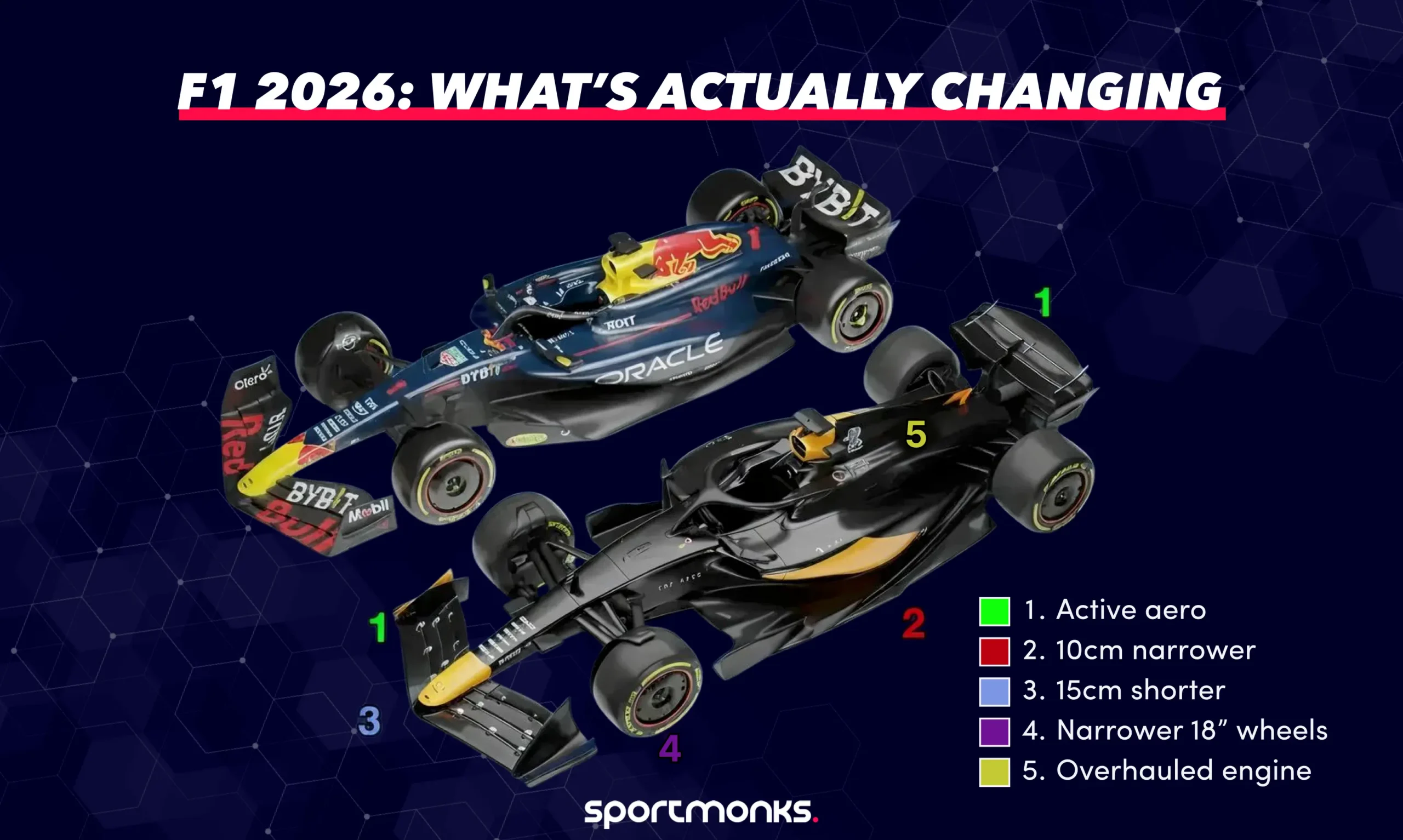
F1 2026: What’s Actually Changing

Formula 1 enters its most significant technical revolution in decades. The 2026 season brings wholesale changes to power units, aerodynamics, car dimensions, and overtaking systems that will fundamentally reshape how Grand Prix races are won and lost. Here’s everything that’s actually changing.

Time to read 17 min
Published February 6, 2026
Last updated February 6, 2026
10 under-the-radar facts about the upcoming 2026 FIFA World Cup

This article explores lesser-known facts, logistical challenges, and subtle innovations surrounding the 2026 FIFA World Cup, offering context beyond the headline changes ahead of the tournament.

Time to read 4 min
Published January 16, 2026
Last updated January 26, 2026
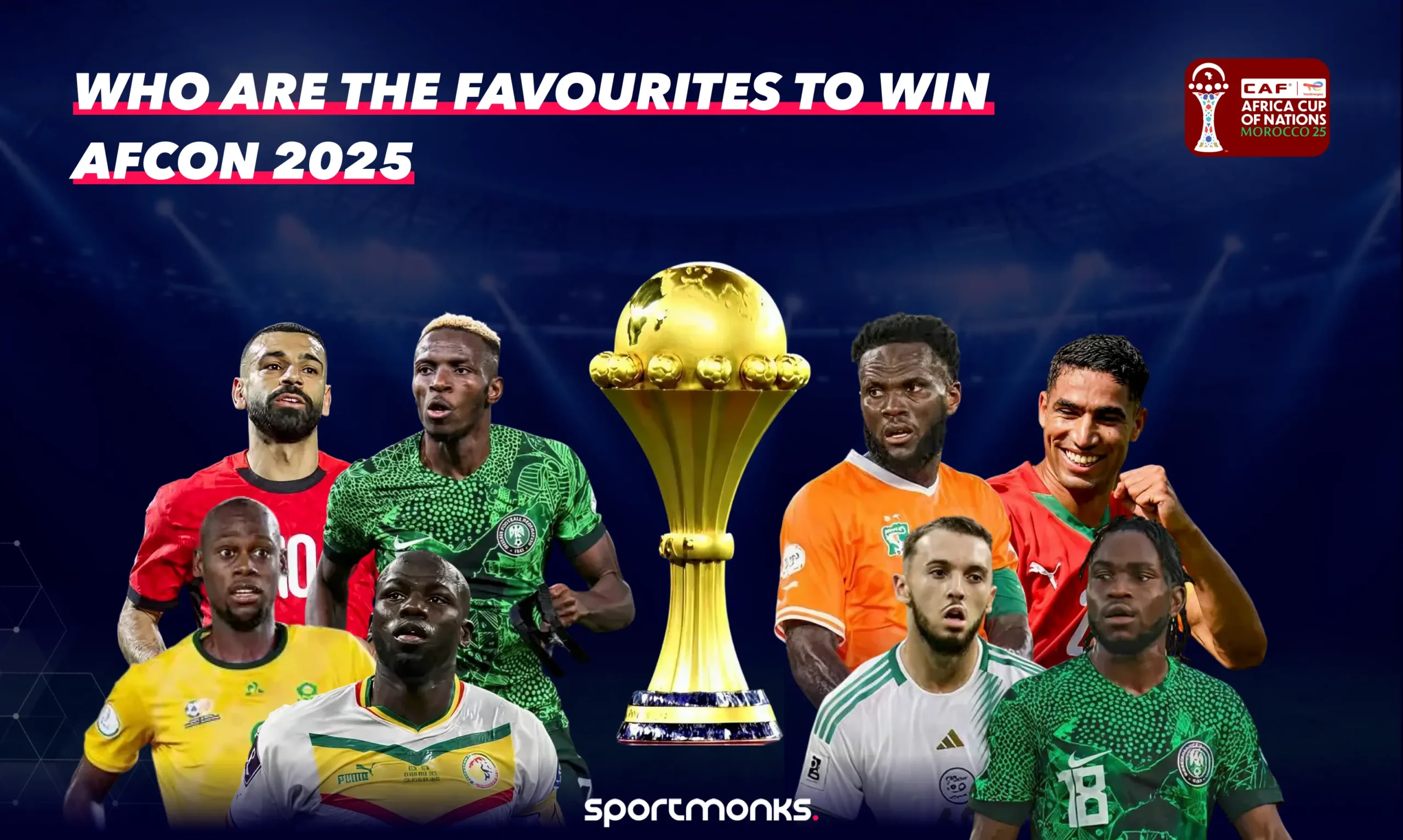
Who are the favourites to win Afcon 2025

The Africa Cup of Nations is happening in Morocco from 21 December 2025 to 18 January 2026. This is the first time the tournament will take place over the festive period, running right through Christmas and the New Year. With 24 teams battling for the top prize in African football, this year’s competition is set to be full of excitement, big surprises, and memorable moments.

Time to read 12 min
Published December 12, 2025
Last updated December 30, 2025
Anticipated matchups in the WC draw

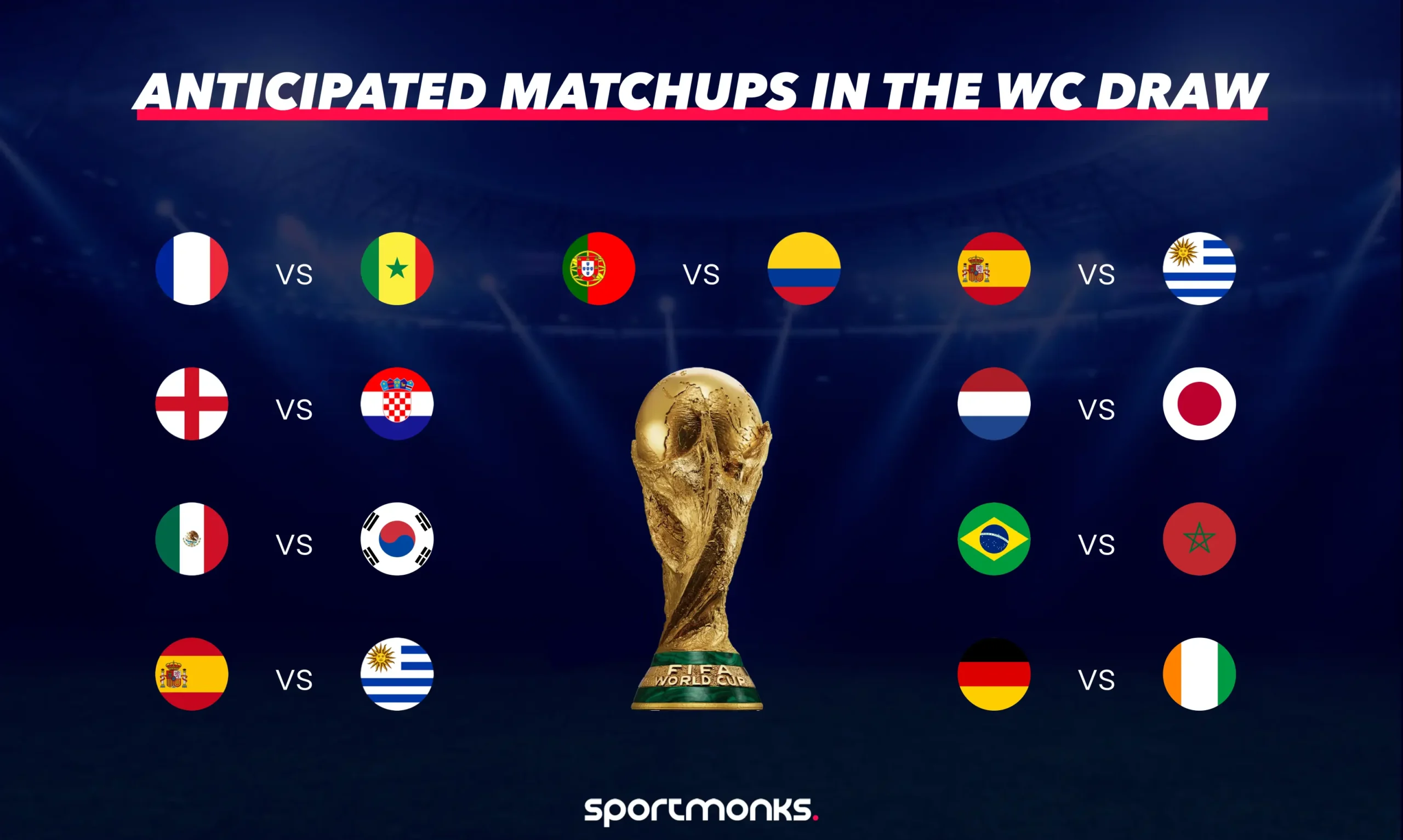
The draw is complete. The groups are fixed. Now comes the part that truly matters: football. On paper, the groups are sorted neatly by seeding and confederation rules. In reality, they are sorted by narrative, by history, by old grudges, by the specific 11 players on each pitch, and how they are built to dismantle each other. The 2026 World Cup has 104 matches ahead. Some will be routine group-stage formalities. Most, however, are not. Most carry significant weight: a 24-year-old injury that needs avenging, a defending champion testing their dominance, an underdog nation proving they belong, or a generational talent’s final World Cup.

Time to read 12 min
Published December 12, 2025
Last updated December 30, 2025
What to know about the WC 2026 draw

It was a quiet, inevitable event where 48 nations (not the familiar 32) learned their fate. The largest World Cup draw in history unfolded at the Kennedy Center in Washington, D.C., and with it came a dramatic change to who gets to dream and how far those dreams can stretch. For the first time since 1998, FIFA did not draw groups for a 32-team tournament. Instead, they drew for something far bigger, more complex, and infinitely more unpredictable: a vast, three-nation spectacle spanning 104 matches over 39 days. The World Cup just got very real.

Time to read 12 min
Published December 12, 2025
Last updated December 30, 2025