Contents
What counts as a shot on target?
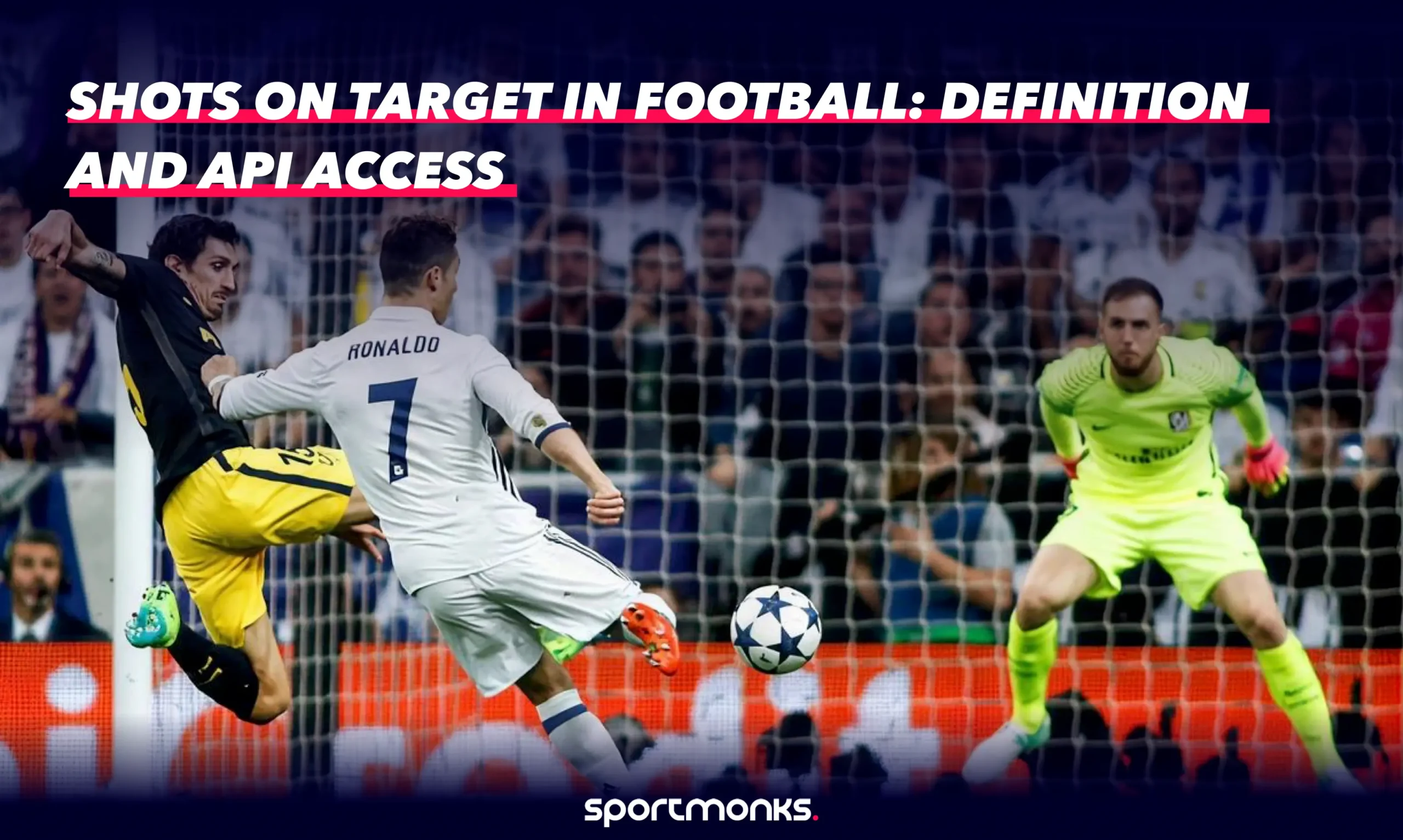
A shot on target is any attempt that would result in a goal if not stopped by the goalkeeper or, in some data models, an attempt that crosses the goal line inside the frame of the goal. This includes goals themselves, since a goal is by definition a shot that was on target and not saved.
It excludes:
– Shots blocked by an outfield player before reaching the goal frame
– Shots that miss the target entirely, whether high, wide, or both
Because blocked shots are excluded, shots on target is a slightly cleaner measure of a team’s finishing threat than total shots, since it removes attempts that were stopped well before testing the goalkeeper.
What shots on target is still and incomplete picture
A tap-in saved by a goalkeeper’s reflexes and a speculative long-range effort straight down the goalkeeper’s throat both count identically as one shot on target. Neither the difficulty of the chance nor the quality of the save is captured by the raw count. This is the core limitation that expected goals on target (xGOT) was designed to solve, by assigning each on-target shot a probability value based on placement, power, and the goalkeeper’s positioning.
Shots on target is also sensitive to a team’s shooting habits. A team that shoots frequently but picks low-percentage angles may still generate a healthy shots-on-target tally simply from volume, without those attempts representing genuinely good chances.
How the data is captured
Every shot is tagged as on target, off target, or blocked during event data collection, with additional context logged including shot placement (which third of the goal), shot power where available, and whether a save was required. This tagging happens either through manual video annotation or increasingly through computer vision systems that track the ball’s full trajectory relative to the goal frame.
A practical example
Two teams might both record 6 shots on target in a match. One team’s shots are largely low-driven efforts from inside the box that force genuine saves, while the other’s are mostly comfortable strikes straight at the goalkeeper from distance. The shots-on-target count is identical, but the quality of the underlying chances, and the goalkeeper’s actual workload, are very different. This is exactly the gap that shot placement data and expected goals on target are designed to close.
Why this matters for analysis
For attacking analysis, shots on target as a share of total shots (sometimes called shot accuracy) gives a useful read on shot selection discipline. A player or team with a high on-target percentage is generally picking better locations and situations to shoot from, even before accounting for the quality of each individual chance.
For defensive and goalkeeping analysis, shots on target conceded is a standard baseline metric for goalkeeper workload, though it should always be read alongside expected goals on target to separate genuinely difficult saves from routine ones.
Getting shots on target data through the Sportmonks API
Sportmonks delivers shots on target, along with the full on-target, off-target, and blocked shot breakdown, as part of its core fixture statistics on all base plans. Developers building match reports or shot maps can pull this data directly without needing an add-on. For teams wanting to weight each on-target shot by difficulty, the xG add-on layers expected goals on target values onto the same shot events.
Related metrics
Shots on target works best alongside total shots, expected goals, and save percentage. Together, these separate raw shooting volume from genuine shooting threat, and connect a team’s attacking output directly to the goalkeeping performance at the other end.
FAQs
Shot accuracy = (Shots on Target / Total Shots) × 100
- Shots on target: These are shots that would have scored without a goalkeeper save or a last-ditch block by a defender on the goal line. A shot hitting the post or going wide isn’t on target.
- Total shots: Includes all attempts—on target, off target (wide/high), or blocked by outfield players before reaching the goal line.